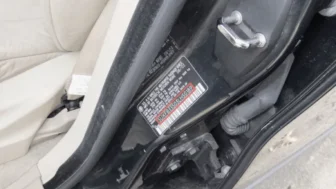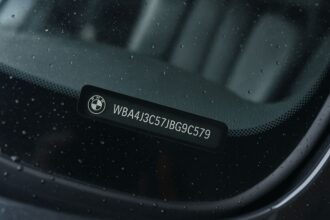
Decode Your VIN
Enter your vehicle's VIN code to discover all technical specifications. The VIN consists of 17 alphanumeric characters.
The NHTSA estimates odometer fraud affects 450,000 vehicles sold in the US every year.
That number is probably low, it counts detected cases. The undetected ones don’t make it into statistics.
A rolled odometer is easy to execute on older cars (mechanical odometers can be wound back with a drill), harder but still possible on modern digital clusters (there are shops that do this for a few hundred dollars), and profitable for anyone selling a car.
At $0.10 per mile in perceived value, rolling back 100,000 miles adds $10,000 to a car’s apparent worth.
The VIN is your primary tool for catching it.
What a VIN check shows for mileage
A full vehicle history report pulls mileage readings from every time the car entered an odometer-reporting database. Those events include:
- State DMV title transfers (mileage is recorded on the title)
- State emissions or safety inspections
- Insurance records
- Auction records
- Service records from dealers who report to Partners like this
What you’re looking for is a consistent timeline. Mileage should go up. If a vehicle history report shows 87,000 miles in 2020, 94,000 miles in 2021, and the seller is now showing 61,000 miles in 2026, that’s a rollback.
Some reports show this as an explicit flag (“Odometer Rollback Reported”). Others just list the mileage readings chronologically and leave you to do the math. Either way, read the mileage table in full before making any decisions.
Physical signs of high mileage
If you don’t have a history report yet, or you want to verify what it says, these physical signs are reliable indicators of genuine mileage:
Steering wheel wear: the leather or material at the 9 and 3 o’clock positions wears through in a pattern that’s hard to fake. A car claiming 40,000 miles with a bald steering wheel is worth questioning.
Pedal rubber: gas and brake pedals wear through rubber at a predictable rate. Missing rubber or worn-through metal shows up around 100,000 miles depending on climate and use.
Driver’s seat bolster: the left side of the driver’s seat wears from entry and exit. Heavy wear on a supposedly low-mileage car is a tell.
Door sill and entry panel: the scuff marks from feet build up in a consistent pattern over years.
Service sticker on the door jamb: oil change stickers are sometimes still in the door jamb from old services. If the sticker shows 78,000 miles from three years ago, and the odometer now reads 61,000, the conversation is over.
None of these are definitive on their own. A well-maintained older car might have replaced worn components. But a cluster of mismatched physical signs against a suspiciously low odometer reading is a pattern, not a coincidence.
How to read the mileage history in a vehicle report
When you pull a full history report, look for the odometer disclosure section. A clean history looks like a staircase, readings going up consistently over time. Anything that drops, stalls suspiciously, or shows wide gaps between readings (possible if inspection records are missing) should make you slow down.
Large gaps in reporting history aren’t automatically suspicious, older cars often have spotty records, but a gap followed by a dramatically lower mileage reading after a title transfer is the fraud signature to look for. Title transfers are when odometer rollbacks most often happen.
For the full comparison of what’s free vs. what a paid report adds, see VIN decoder vs vehicle history report.
Federal law on odometer fraud
The Motor Vehicle Information and Cost Savings Act makes odometer tampering a federal crime. Sellers are required to disclose accurate mileage at the point of sale. If you discover after purchase that the odometer was rolled back, you have a federal civil claim against the seller for three times the actual damages or $10,000, whichever is greater, plus attorney’s fees.
The problem is proving it. A vehicle history report with mileage discrepancies is strong evidence, which is another reason to pull one before you sign.
FAQs
Can you tell if a digital odometer has been tampered with?
Sometimes. Diagnostic tools can flag inconsistencies in the stored mileage across multiple ECUs in modern cars, the engine control module and the instrument cluster record mileage independently. A shop can check whether those readings match.
Does a VIN check show odometer mileage?
The free decode doesn’t include mileage history, that requires a full vehicle history report that cross-references state title and inspection records.
What if the mileage history has big gaps?
Gaps aren’t necessarily fraud, older vehicles often have spotty records. A gap followed by a lower odometer reading at a title transfer is the specific pattern to look for.