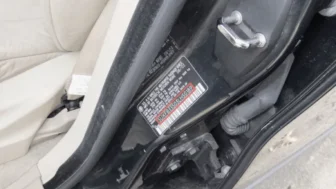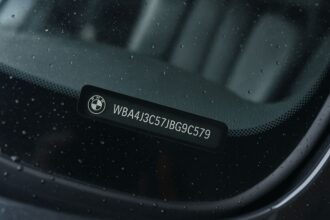
Decode Your VIN
Enter your vehicle's VIN code to discover all technical specifications. The VIN consists of 17 alphanumeric characters.
Flooded cars are a predictable problem after every major hurricane or coastal storm. FEMA declares a disaster, insurers total thousands of vehicles, and a percentage of those cars, sometimes with salvage titles, sometimes without, end up back on dealer lots and Craigslist listings a few states away.
A VIN check won’t catch everything. But it’s the fastest first step, and it’s free.
What the VIN check shows
Run the VIN through VinDecoderPlus. The free decode gives you the factory build data, make, model, year, engine, plant. That’s useful for confirming the car is what the seller says it is, but it doesn’t show history.
For flood damage specifically, you need the vehicle history report. A full report cross-references NMVTIS (the National Motor Vehicle Title Information System), insurance total loss records, and state DMV title records. If a car was declared a total loss after a flood event, that typically appears as one of several title brands: Flood, Water Damage, Salvage, or in some states just a generic total loss notation.
The distinction between a flood title and a salvage title matters, see how to check salvage title by VIN for the full breakdown on title brands.
What the VIN check misses
Title washing is real. A car totaled in Louisiana can be retitled in a state with looser branding rules, and the flood title can effectively disappear from the paper trail. This happened on a large scale after Hurricanes Katrina and Sandy.
CARFAX and AutoCheck catch some of this through insurance reporting partnerships, but not all insurers report to all databases. A car totaled through a small regional insurer may have a clean history report despite being a flood car.
This is why the physical inspection matters as much as the VIN check.
Physical signs of flood damage to look for
If the VIN history comes back clean but you’re still suspicious, maybe the price is too low, or the seller is vague about where the car came from, look for these during inspection:
Under the hood:
- Waterline marks on the firewall or strut towers (a faint tide mark at consistent height on both sides)
- Rust on unpainted metal that seems too advanced for the car’s age
- Mud or silt in the engine bay crevices, especially around the battery tray
- Corroded electrical connectors
Inside the car:
- New carpet or seat upholstery that doesn’t match the dash wear
- Rust on the seat rail bolts, these get submerged before the seats do
- Musty smell that air fresheners are working hard to cover
- Fog or moisture trapped inside gauge cluster glass
- Sand or sediment in door pockets, under the spare, in the trunk corners
Underneath:
- Rust on the floorpan inconsistent with road wear, undersides typically rust from the edges, not the middle
- Caked mud behind the rear axle or inside the frame rails
None of these alone proves flood damage.
But several together, combined with a seller who can’t explain the car’s history clearly, is a pattern worth taking seriously.
Where to search for flood history beyond the VIN
NICB VINCheck: the National Insurance Crime Bureau offers a free VIN lookup that cross-references stolen vehicle and salvage records, including some flood totals. It’s not comprehensive, but it’s fast and free.
NMVTIS-authorized providers: these pull from the national title database directly and are the most reliable source for title brand history. A list of authorized providers is at vehiclehistory.bja.ojp.gov. Some charge $2–$4 per report.
State DMV title history: some states let you request a title history directly. If the car has been titled in multiple states in a short period, that’s a flag.
FEMA flood maps + Carfax flood check: Carfax has a dedicated flood check tool that uses FEMA disaster zone data to flag cars registered in declared disaster areas at the time of a major flood event. It’s not perfect, but it catches some cars that slipped through the title system.
For more on the difference between what a free VIN decode covers versus what a paid report adds, see VIN decoder vs vehicle history report.
FAQs
Can a flood-damaged car have a clean title?
Yes. Title washing, delays in insurance reporting, and state-by-state variation in title branding rules mean some flood cars are retitled with clean or rebuilt titles. Physical inspection is the backup check.
What is a flood title worth?
Effectively zero for financing purposes. Most lenders won’t finance a flood title vehicle. Insurance coverage is limited or unavailable. Resale value is minimal.
How long does flood damage take to show up in a VIN history?
It depends on whether the car was insured and whether the insurer reported the total loss to NMVTIS. Uninsured flood vehicles may never appear in title records, another reason the physical check matters.