Decode Your VIN
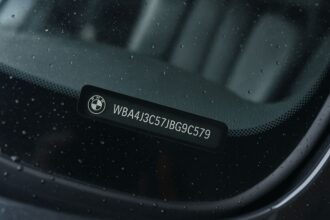
Enter your vehicle's VIN code to discover all technical specifications. The VIN consists of 17 alphanumeric characters.
A salvage title means an insurance company has declared a vehicle a total loss after an accident, flood, fire, or theft.
The vehicle may still run, but its market value drops 20–40 percent and most lenders and insurers refuse to finance or fully cover it. Before you hand money to a private seller or pay a deposit at a dealership, run a salvage title check by VIN. It takes under a minute and can save you tens of thousands of dollars.
This guide explains exactly how to do it, what each title brand means, and what red flags to look for during inspection.
Quick answer
To check for a salvage title by VIN:
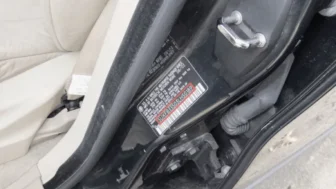
- Get the 17-character VIN from the dashboard, door jamb, or title document
- Run it through VinDecoderPlus for an instant decode and recall check
- For the most authoritative title brand history, also check NMVTIS at vehiclehistory.bja.ojp.gov, this is the official US Department of Justice national database
- Cross-reference with NHTSA recalls at nhtsa.gov/recalls
If any of these checks turn up a brand of Salvage, Junk, Rebuilt, Flood, Hail, or Manufacturer Buyback, treat the vehicle accordingly.
What a salvage title actually means
A salvage title is issued by a state DMV when an insurance company decides repairing the vehicle would cost more than its value. State thresholds vary, some states declare a vehicle salvaged at 60 percent damage, others at 80 percent, but the practical effect is the same: the title is permanently branded.
The five most common title brands in the United States:
- Salvage: declared a total loss; not yet repaired
- Rebuilt (also called Reconstructed or Prior Salvage): was salvaged, then repaired and re-inspected
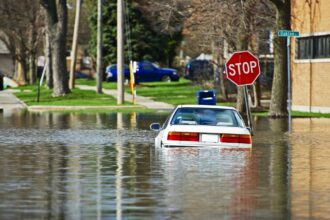
- Flood: sustained water damage, often from hurricanes
- Junk (also called Non-Repairable): cannot legally return to the road
- Manufacturer Buyback: repurchased by the manufacturer, often a lemon-law case
Each brand carries different consequences. A flood title is often the worst, because water damage causes long-term electrical and structural problems that are not visible at sale.
Free ways to check a salvage title
1. NMVTIS — the official national database
The National Motor Vehicle Title Information System is run by the US Department of Justice. By federal law, every state DMV, every insurance company, and every junkyard must report title brands and total-loss events to NMVTIS within 30 days.
Search the public NMVTIS lookup at vehiclehistory.bja.ojp.gov. The free portion shows whether the vehicle has been reported as a total loss, salvage, junk, or flood across every state.
NMVTIS is the single most authoritative free source of salvage data in the United States.
2. NHTSA VIN lookup for recalls
NHTSA’s VIN lookup at nhtsa.gov/recalls shows open recalls. While it doesn’t show title brands, it shows safety defect events and a vehicle with several major open recalls is one to be cautious about regardless of title status.
3. VinDecoderPlus
The VinDecoderPlus tool decodes the VIN, runs the check digit, surfaces NHTSA recalls, and provides a summary of vehicle specs. For a deeper title-brand history including state-by-state salvage events, use a paid full report. VinDecoderPlus offers one as an optional upgrade.
4. State DMV records
Many state DMVs provide a free or low-cost title status lookup by VIN. The exact URL varies: search “[your state] DMV VIN title check.” For example, Texas, Florida, and California all run free public lookups.
What to do if the VIN check returns “salvage”
You have three reasonable options, depending on your appetite for risk and project work:
- Walk away. The simplest and often best choice. Salvage cars are a niche purchase, not a casual one.
- Use it as a price lever. A salvage car is typically worth 20-40 percent less than the same car with a clean title. If the seller is asking clean-title price, walk.
- Buy with eyes wide open. If the price is right and you want a project car, get an independent pre-purchase inspection from a body shop that has rebuilt salvage vehicles before not just any mechanic.
Whatever you choose, never buy a salvage vehicle without:
- A signed and notarized title document showing the brand
- Repair receipts from the rebuild
- A frame inspection (preferably with measurements)
- Photos of the damage before repair, if obtainable
Red flags during inspection
Even if the VIN check returns clean, certain physical signs suggest a vehicle was salvaged but the brand was washed (transferred to a state with looser rules to remove the brand).
Watch for:
- Mismatched panel gaps between hood, fenders, and doors
- Overspray on rubber seals, glass edges, or under the hood a sign of repaint
- Misaligned VIN stickers on the door jamb or engine bay
- Aftermarket airbags or missing airbags (check the dashboard light at startup it should illuminate, then go off)
- Water lines in the trunk, glovebox, or under the seats flood signs
- Rust under carpet edges that doesn’t appear on the body
- Mildew smell, especially in older floor mats and seat cushions
- Aftermarket stickers covering small dents or paint chips
If two or more of these are present, walk away even if the title looks clean.
States with the highest salvage-title risk
States with frequent natural disasters tend to have higher salvage volumes. After major hurricanes – Katrina, Harvey, Ian – tens of thousands of flood-damaged vehicles enter the used market through title-washing schemes. Buyers in inland states are especially vulnerable because the cars travel out of the disaster zone before sale.
Be extra cautious if a vehicle’s title shows a recent transfer from any of: Louisiana, Texas, Florida, North Carolina, South Carolina, or Mississippi within 6-18 months of a major flood event in that state.
Common questions
Can a salvage title be removed?
Once a vehicle has been declared salvage, the brand stays on the title forever in most states. After repair and inspection, the brand is updated to Rebuilt but it is never reverted to Clean. Anyone selling a previously-salvaged vehicle as “clean title” is committing fraud.
Is a salvage car safe to drive?
It depends entirely on the quality of the rebuild. A salvage vehicle properly rebuilt by a reputable body shop with a documented inspection can be perfectly safe. A salvage vehicle rebuilt with junkyard parts in a backyard is dangerous. Always inspect first, then decide.
Can you finance a salvage car?
Most major banks and credit unions will not finance a salvage or rebuilt-title vehicle. A few specialty lenders will, often at higher interest rates. Most insurers will only offer liability coverage on a salvage car not collision or comprehensive.
How long does NMVTIS reporting take?
By federal regulation, insurance companies and junkyards must report total-loss events to NMVTIS within 30 days. State DMVs report title brands monthly. So a brand-new salvage event may not appear in NMVTIS for up to 30 days after the insurance settlement.
Decode your VIN now
→ Run your VIN through VinDecoderPlus
We decode the VIN, validate the check digit, surface open recalls from the NHTSA database, and provide an optional full history report covering NMVTIS title brands.